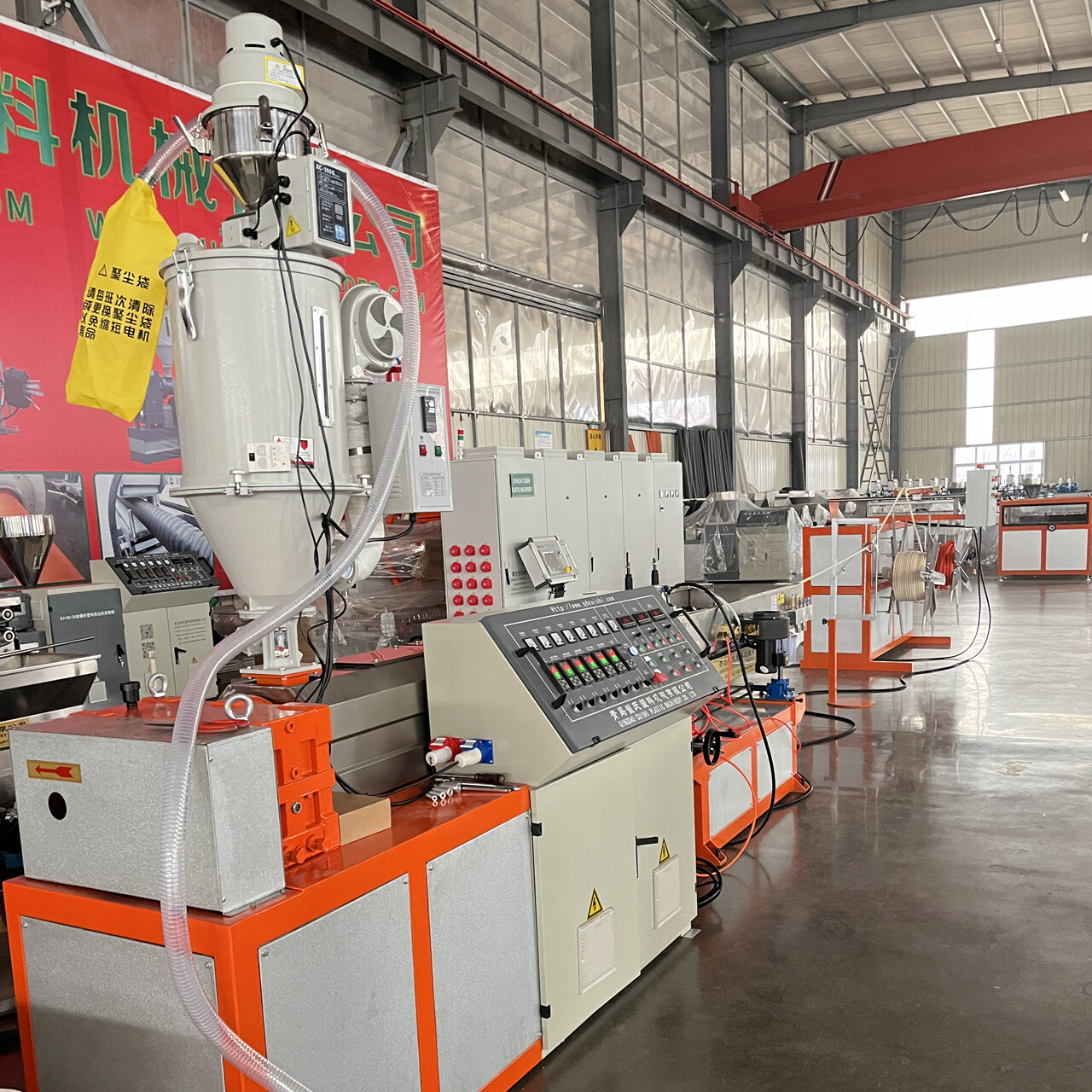
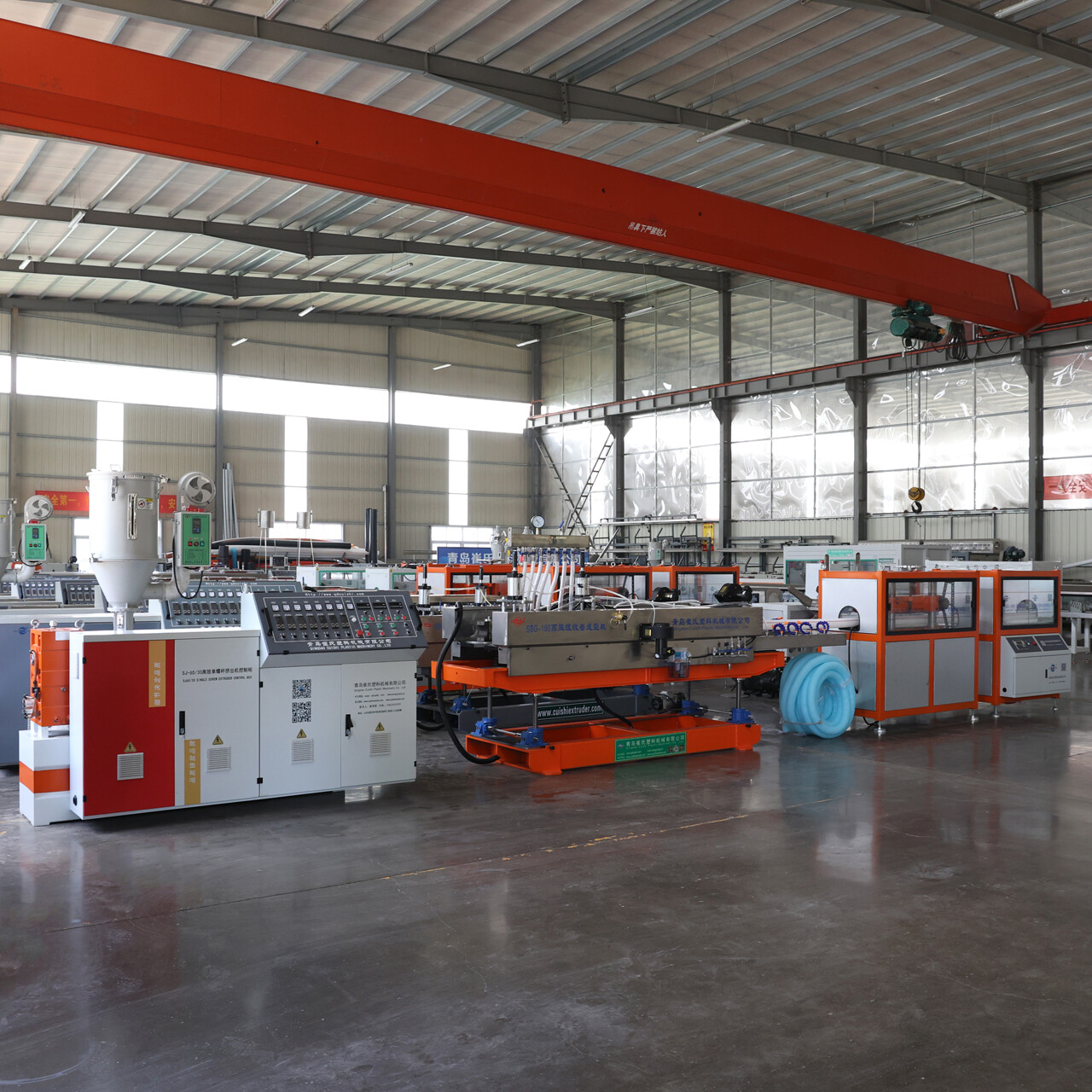
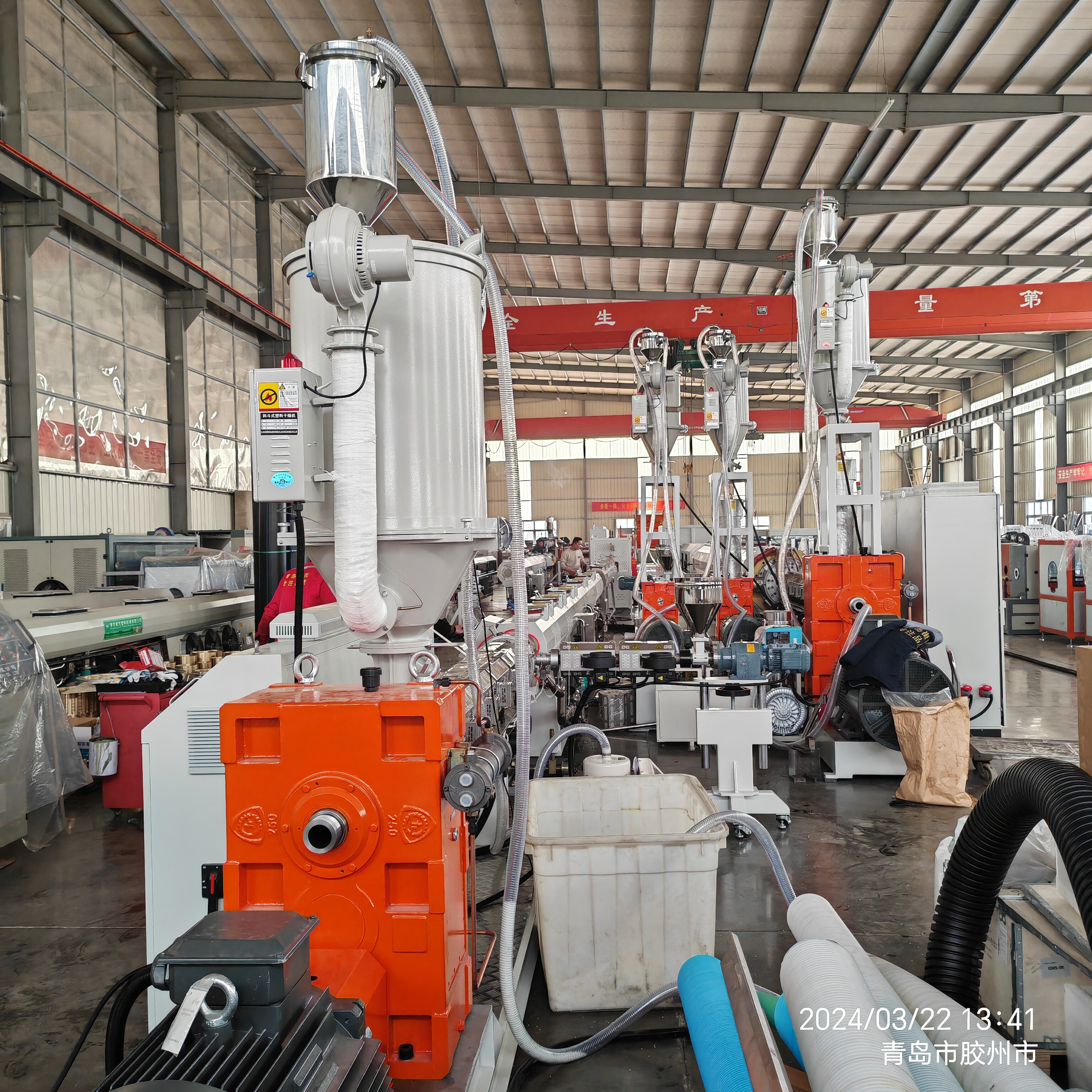
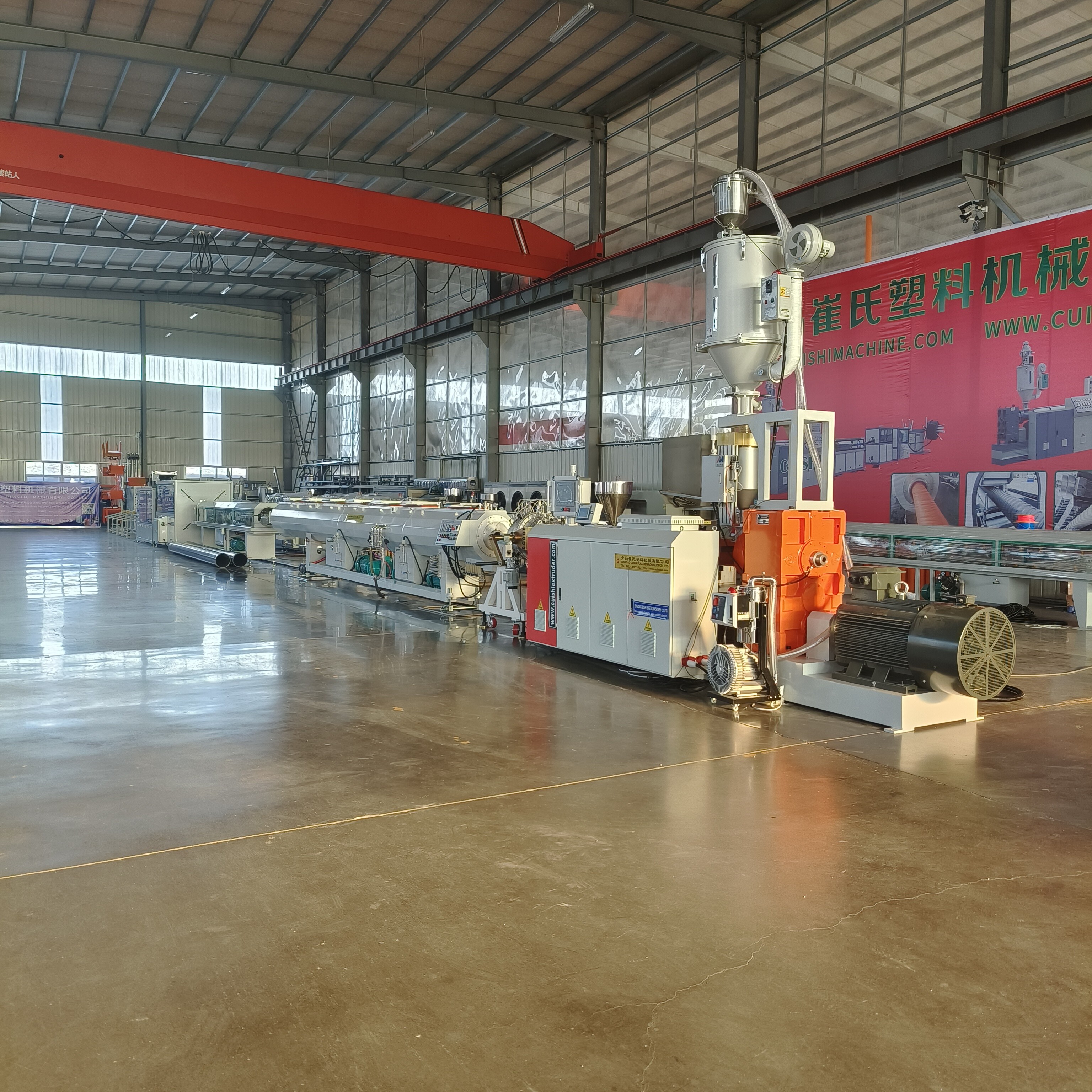
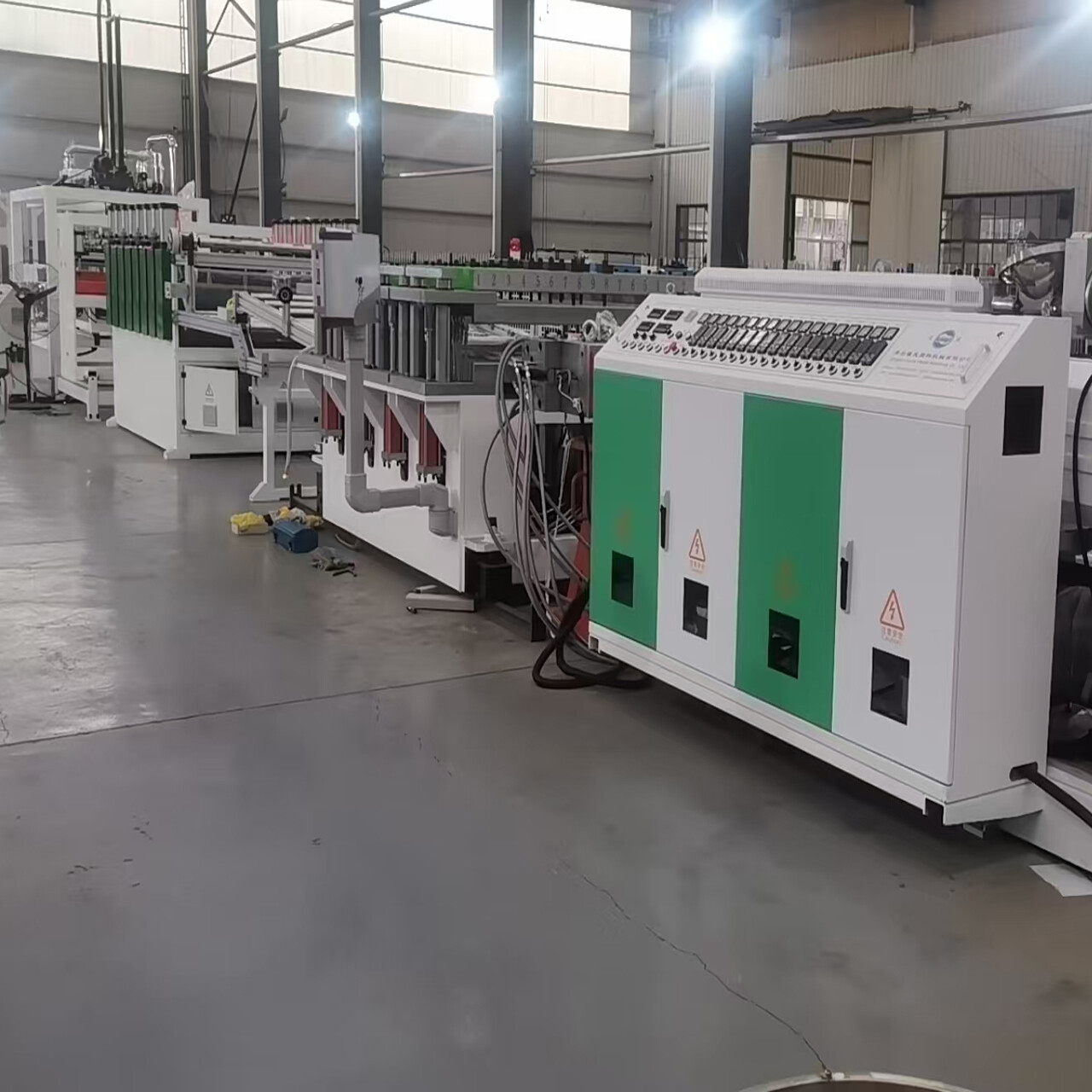
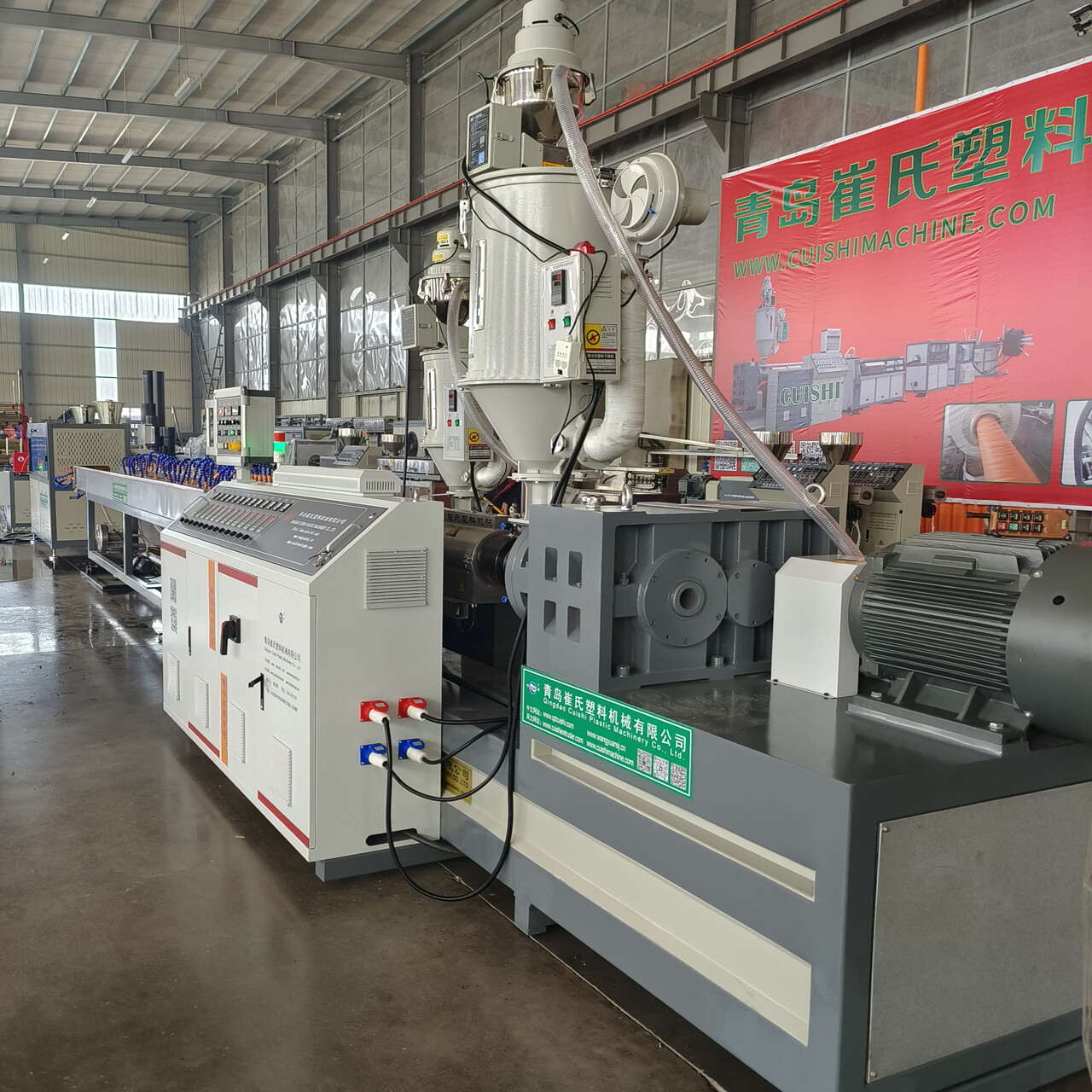
The production process of PVC foam board production line mainly includes key steps such as material preparation, foaming process control, extrusion molding, cooling and shaping, and post-treatment.
Preparation of materials
Determine the raw materials (such as polyvinyl chloride resin) and auxiliary materials (including stabilizers, foaming agents, foaming regulators, lubricants and fillers, etc.) based on the production orders.
For special performance boards (such as UV-resistant, flame-retardant or colored products), additional reinforcing agents or color masterbatches need to be added.
All materials should be mixed evenly in proportion, and the formula needs to be adjusted and optimized according to the characteristics of the equipment.
Youdaoplaceholder0 foaming process control
The raw materials are heated at high temperatures and undergo three processes: molding, bubble expansion and curing.
Technicians need to strictly control the foaming speed to ensure uniform foam expansion and prevent cell collapse or the formation of large bubbles. This stage plays a decisive role in the density and quality of the board.
During the initial production stage, foaming adjustment is required. Before stabilization, waste boards may be generated, so there is a requirement for the minimum order quantity.
Extrusion molding
The mixed raw materials are melted and plasticized through a twin-screw extruder (such as a conical twin-screw extruder) and extruded from the die.
During the extrusion process, the foaming agent is completely decomposed in the shaping die, and the stabilizer controls the stability of decomposition to ensure continuous production.
Mold design (such as molds for foamed products) affects the density and surface finish of the products. Common processes like the Selucka method are used to achieve skin foaming.
Cooling and setting
The extruded sheet is rapidly cooled to a fixed shape through a water-cooling shaping table or an eight-roll traction unit.
The cooling process needs to be uniform to avoid deformation. Usually, cooling pipes are designed to optimize heat conduction.
Post-processing
After cooling through the shaping die, the edges of the sheet are trimmed by the edge trimming device and then covered with protective film as required.
Finally, the plates are cut into standard or custom lengths by cutting equipment, and the mechanical hand automatically inserts and stacks them to complete the process.
The entire process requires coordinated control of parameters such as temperature, pressure, and extrusion speed to ensure the dimensional stability, surface quality, and mechanical properties of the PVC foam board.

Recommended products
 Single Wall Corrugated Pipe Production LineThe corrugated pipe produced by Single Wall Corrugated Pipe Production Line is commonly used in various applications such as drainage systems, cable protection, and agricultural irrigation.
 Double Wall Corrugated Pipe Production LineDouble Wall Corrugated Pipe Production Line is a type of manufacturing equipment used to produce double wall corrugated pipes. These pipes are commonly used in various applications such as drainage systems, sewage systems, cable protection, and telecommunications.
 PE Pipe Production LinePolymer, a chain of monomers is versatile which has led to the versatility of the plastic products. The horizon of the plastic products is broad. One of these versatile plastic products is a high density polyethylene pipe which delivers safe and clean water. These pipes with its numerous advantages has benefited the society with advantages such as chemical resistance, corrosion resistance, no toxicity, longer life cycle, better impact strength, light weight, lower installation costs, energy savings etc.
Polyethylene Pipes for Entrepreneurs 110-315mm PE Pipe Gas Water Machine Production LineThe center height of the whole production line equipment is 1100+-50mm to design and produce
We test 315mm pe pipe line with SDR9 well for our Russia customer PVC Foam Board Production LinePVC Foam Board Production Line can be customized according to customer needs
 TPV Profile Production LineTPV Profile Production Line is used for producting sealing strip of PVC TPU TPE plastic etc material ,features high output ,steady extrusion ,low power consuption.